
Siargao After Dark
How the island’s nights actually work — and why we stopped publishing a bar list.
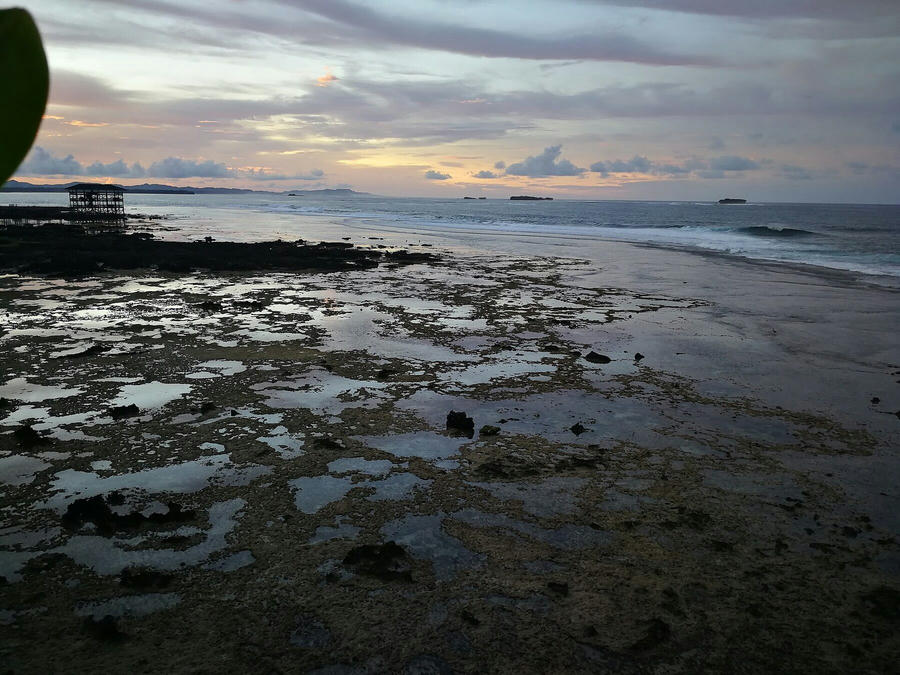

The sun drops behind the coconut line and General Luna switches on. Live bands, beach bonfires, sound systems in the sand, a strip of open-fronted bars that were empty at five and full at nine. For a village of this size the island keeps going remarkably long after the tide does.
We used to publish a list of where to go. We took it down, and this piece is what replaced it.
That is not evasion — it is the single most useful thing we can tell you about going out here. The place with the queue this season was somebody's living room two years ago and will be a smoothie bar by the next one. Turnover is the defining feature of the scene, not a flaw in it. What is stable is the shape of the week, the geography, and the etiquette. Learn those and you will find the good nights on your own.
What actually stays the same
- The rhythm. Sunset drinks first — everyone in General Luna is somewhere facing west at half past five. Dinner and live music from mid-evening, when the bands on the strip start up. Then, from around eleven, the late crowd drifting toward whichever beach party has a sound system that night. The handover from "bar" to "beach" is the whole structure of a Siargao night.
- The week. Quiet Sunday to Wednesday. Building Thursday. Properly busy Friday and Saturday. There is usually one midweek night that becomes the midweek night — it rotates between venues and it changes every few months, which is exactly the sort of thing a printed list gets wrong.
- The season. Peak swell season, roughly September through November, is the loudest the island gets. During the Philippines Pro at the end of October, every night is a Saturday. The dry-season months are slower, more local, and in a lot of ways more pleasant.
- The geography. Almost everything sits along the main strip in General Luna or on the beach behind it. You can walk most of it in twenty minutes, which is the single best argument for staying in town rather than out at a resort.
- The bonfires. Informal, unadvertised, occasionally spectacular, and often the best night out on the island. They move around. You hear about them by word of mouth from someone who was at one last week — which is how this entire scene has always worked.
- The music. There is a genuine live circuit here: reggae and covers early, original bands if you get lucky, and DJs later. Filipino musicianship is absurdly good and the standard on a random Tuesday will surprise you.
Practical things worth knowing
- Hydrate. Coconut water between rounds is not a joke — it is hot, humid, and you have probably surfed all day. Dehydration does more damage to holidays here than alcohol does.
- Eat before or during, not after. Kitchens close earlier than bars, and the late-night food options are limited to whatever cart is still standing.
- Respect the quiet hours in residential areas. This is a working village with families and fishermen in it, not a resort strip built for the purpose. Noise carries much further than you think across sand and water.
- Bring flip-flops. Bare feet are fine on sand, less fine on coral paths, coconut husk and broken glass.
- Carry cash. Card acceptance is patchy, the machines that do work go down at busy times, and the ATMs in town run dry on weekends and holidays.
- Ride home sober, or do not ride. This is the one that actually matters. Motorbike accidents are the most common way visitors get hurt on Siargao, the roads have no lighting, and there are dogs, sand patches and unmarked ditches. Habal-habal riders will take you home for a few hundred pesos. Take the ride.
- Watch your things on the beach. Nothing dramatic — but phones get left in the sand at bonfires and the tide does not care.
- Be careful about swimming at night. Especially at low tide, especially after a few drinks. The reef is shallow, sharp, and unlit.
The morning after
One quiet argument for pacing yourself: the best surf of the day is at dawn. The wind is lightest, the water is glassiest, and the lineup is at its emptiest between five and seven in the morning. Every surfer here has made the trade at some point, and the ones who keep making it in favour of the bar tend to go home saying the waves were disappointing.
Just ask us
We live here and we go out here. Tell us what kind of night you want — quiet drinks somewhere you can hear each other, live music, or something loud on the sand — and we will tell you where it is actually happening this week, who is playing, and whether it is worth the walk.
That answer is worth more than any list we could publish.
← Surf NewsLatest from the crew
The Field Is Set: Who Surfs Cloud 9 in November
Trestles closed the regular season. The top 22 men and top 14 women, plus wildcards, go through Portugal to Siargao. And no, there is no QS at Cloud 9 in October.
Two Cloud 9 Surfers, One Asian Games Bronze
Surfing's first Asian Games ended with Jayuard Alciso beating Toby Espejon in an all-Filipino bronze-medal match in Japan: the Philippines' first surfing medal at the Games.
Love, Siargao Comes to Free TV
Alden Richards and Nadine Lustre's island romance is now on GMA Prime weeknights. What the show is about, and what to expect if it makes you want to come.