
Siargao Surf Forecast and Cloud 9 Tide Chart
Live wind, swell forecast and Cloud 9 tide chart for Siargao, plus how we read them: which tide each reef wants, period versus height, and the habagat mornings.
Wind
Surf Forecast

Tides
Tide forecasts by SeaLegs
The widgets above are the same ones we look at behind the counter: the live wind at General Luna, the swell forecast for the week ahead, and the tide chart for Cloud 9. They tell you a lot if you know what to look for. Here is how we read them, in the order we read them.
Tide first
On Siargao the tide decides more than the swell height does. Every reef around General Luna breaks over coral, and a metre of tidal range moves the takeoff zone by dozens of metres and turns the same wave from hollow and fast into fat and forgiving. Before you look at anything else, find the time of high water and ask whether the spot you want will have enough water on it when you paddle out — and when you come in.
- Cloud 9 wants water on it: mid to high, and better rising than dropping. Low tide over this reef is how people get hurt.
- Jacking Horse is best around mid tide with light wind. The friendliest wave in town and where most visitors should be.
- Quicksilver, the left off the same reef complex, follows Cloud 9: mid to high, and far less crowded.
- Tuason Point needs size in the water and a pushing tide. The inside section is shallow and unforgiving.
- Cemetery is another of the town reefs: treat it like its neighbours and give it water rather than surfing it low.
- Stimpy's and Rock Island are boat-access lefts up the coast. The boatmen know the tide window; bring booties for the lava rock.
- Pacifico on the north coast takes open-ocean swell. Read the spot page before you commit to the ninety-minute ride.
- Salvacion is the inland-side fallback when the east coast is blown out.
- Daku Island is a sandbar, not a reef: the small-day and family option.
Period beats height
Two forecasts both showing 1.5 metres can describe completely different days. The number that tells you which one you are getting is the period. Twelve seconds and up is groundswell: it will stand up on the reef and break with real power. Eight seconds at the same height is windswell, which is weaker, messier and much easier. If you are learning, a short-period metre at Jacking Horse is a good morning; a long-period metre is a proper wave and you will want an instructor next to you. If you are experienced, the reverse is true.
Direction matters next. The General Luna reefs want swell out of the east through northeast. A southerly angle wraps in smaller. A hard northerly lights up Tuason and the northern spots more than the main peak.
Wind: habagat and amihan
The Philippine year runs on two monsoons, and the wind widget is where you see which one is in charge.
From roughly late May into October the habagat, the southwest monsoon, blows from behind the island. On this coast that is offshore: it holds the face up, delays the break and grooms an ordinary wall into something worth photographing. This is why the season is the season, and why August to November is the most consistent stretch of the year.
From roughly November to March or April the amihan, the northeast monsoon, takes over. It is onshore on the east coast and it brings bigger, windier swell. It is not a dead season: dawns are often clean, the north swells make some spots better than at any other time, and the north and west coasts come into their own. But the mornings matter, because the sea breeze fills in by mid-morning and the town reefs go to pieces.
Reading the arrow: wind from the southwest or west is what you want at Cloud 9. Anything from the northeast or east is onshore.
Why we check at 9 pm
Every night at nine we look at the wind, the swell and the tide together and decide where tomorrow's dawn drop-off goes. By then the evening model runs are in, the local wind has settled into its overnight pattern and we know exactly what the tide will be doing at first light. If you have a lesson or a guided session booked with us, that is when you get a message with the plan. If you are surfing on your own, doing the same thing at the same hour saves you a wasted dawn.
Then do the last check the model cannot: walk out on the boardwalk and watch a few sets from the rebuilt tower. Where the third wave of a set stands up, how fast the drift is, how long the lulls are — that is the morning's real forecast.
The year at a glance
August switches the season on, inconsistent but good. September and October are the most reliable weeks of the year. November brings the biggest swells and the Philippines Pro, which closes the Cloud 9 peak from 31 October to 10 November. December to February is amihan, variable and quiet. March to May is small, clean and the best window for an improving surfer. We wrote the month-by-month version in our swell season guide, and the surf spots post explains how we match people to waves.
If you would rather not do the reading yourself, message us on WhatsApp the evening before. We will tell you where to be at dawn, put you on the right board from the rental fleet, and drive you there.
All surf spots
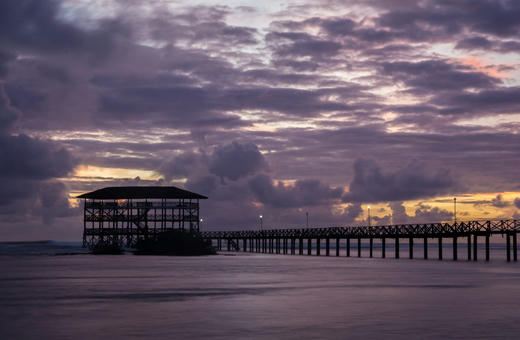
Cloud 9
Cloud 9 surf guide from OK Surf: how the right-hand reef barrel works, best tide, swell and wind, who should paddle out, and how to get in from the boardwalk.
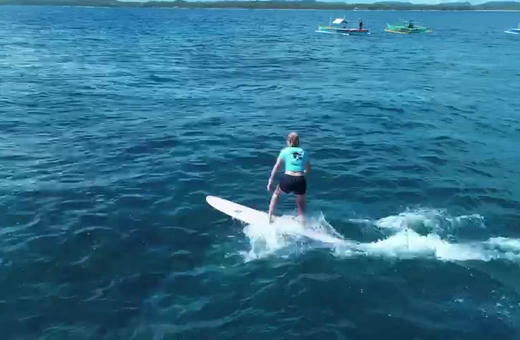
Jacking Horse
Jacking Horse surf guide from OK Surf: the mellow right next to Cloud 9 where most visitors should surf, best tide and wind, board choice and how our lessons work.
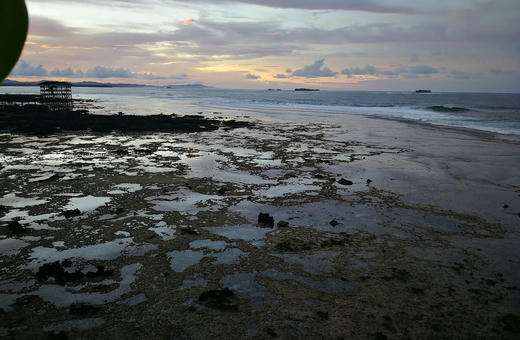
Quicksilver
Quicksilver surf guide from OK Surf: the left off the Cloud 9 reef complex in General Luna, when it works, why it is quieter than the main peak and who it suits.
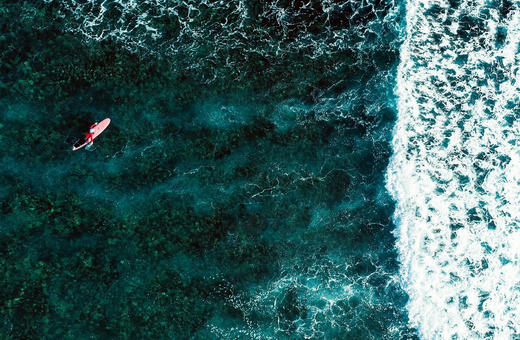
Tuason Point
Tuason Point surf guide from OK Surf: the powerful left and right wedge north of Cloud 9 that wakes up on north swell, best tide, season, board choice and hazards.
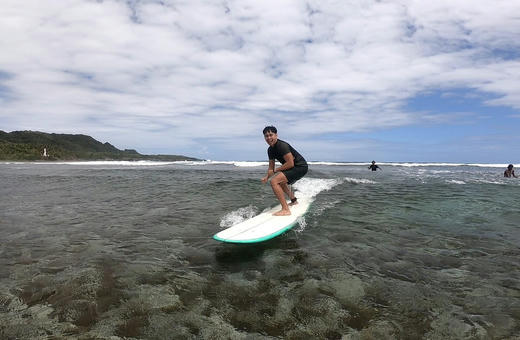
Cemetery
Cemetery surf guide from OK Surf: the reef break in front of the General Luna cemetery, a mid-tide right and left for intermediates, best swell, access and boards.
Stimpy's
Stimpy's is a boat-access left north of General Luna: long, mechanical walls over lava rock. Tide, swell, access, board choice and hazards from the OK Surf crew.
Rock Island
Rock Island is a hollow, shallow boat-access left near Stimpy's, north of General Luna. Tide windows, swell, hazards and board advice from the OK Surf crew.
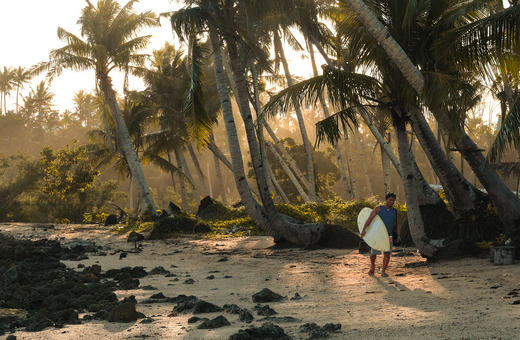
Pacifico
Pacifico is Siargao's north-coast alternative: open-ocean power, long walls and far fewer people, about 90 minutes by motorbike from General Luna. Our full guide.
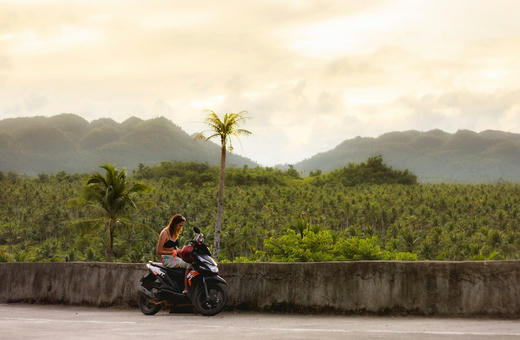
Salvacion
Salvacion is the sheltered fallback when Siargao's east coast is blown out: not a dream wave, but it saves days. Tide, wind, level and board notes from OK Surf.
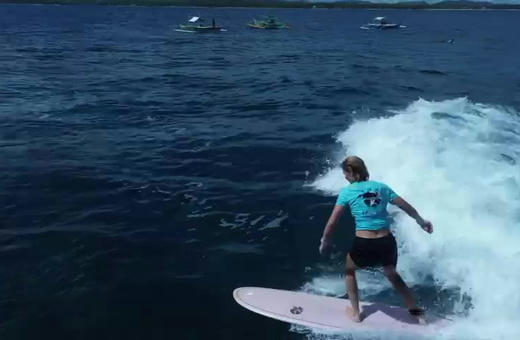
Daku Island
The Daku Island sandbar is our soft-top option for small days: sand underfoot for kids and nervous beginners, reached by banca from General Luna. OK Surf guide.
Frequently asked questions
What tide is best for Cloud 9?
Mid to high tide, and better rising than dropping. Cloud 9 breaks over shallow coral and on a low tide the wave gets faster, squarer and more dangerous. Give it water.
What is the best time of day to surf in Siargao?
Dawn. During the habagat months the southwest wind is offshore all morning; the rest of the year the first two hours after sunrise are usually the cleanest, before the sea breeze fills in. Late afternoon is a second window when the tide lines up.
What are the best months to surf Siargao?
August to November is the most consistent stretch, with September and October the sweet spot. November brings the biggest swells of the year. March to May is smaller, cleaner and the best window for improving surfers.
Does Siargao have waves in December?
Yes. December to February is the amihan season: the northeast wind is onshore on the east coast and the swell is bigger and windier, but dawns are often clean, the north and west coasts come into their own, and the island is much quieter.
How far ahead can I trust the Siargao forecast?
Long-period groundswell shows up in the models several days out and is usually right about the timing. Wind is only reliable a day or two ahead. The tide chart is exact, which is why we plan sessions around it first.
Do I need to check the forecast if I have a lesson booked?
No. We check the wind, swell and tide together every night at 9 pm and message you with the plan for the morning, including where the pick-up is going.
Ready to get in the water?
Free pick-up from your hotel anywhere in General Luna is included.