
Siargao Surf Spots
Dial in the best Siargao breaks for every swell, tide, and skill level.
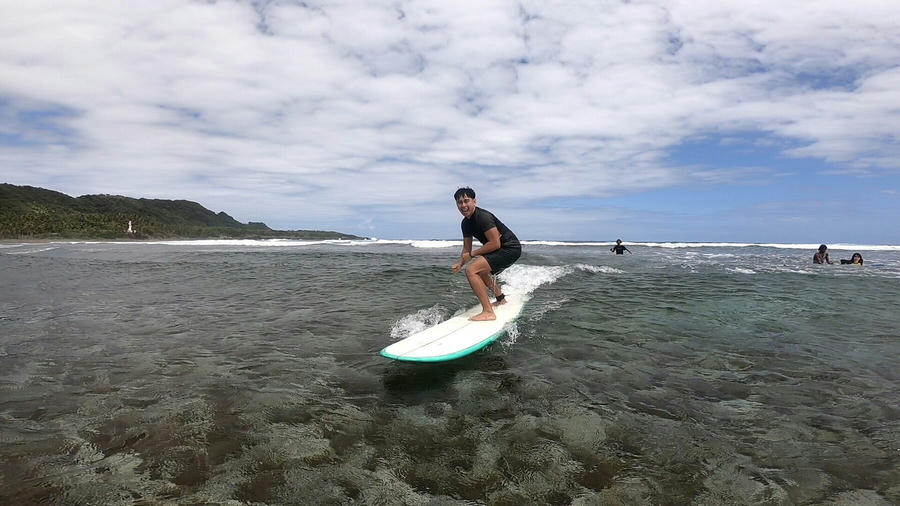

Everyone arrives on Siargao with one wave in their head. There are about a dozen worth knowing, they work on different tides and different swell angles, and the difference between a good trip and a frustrating one is almost entirely about picking the right one on the right morning.
This is our working cheat sheet — the same reasoning we use at the counter when someone walks in at six in the morning and asks where to go.
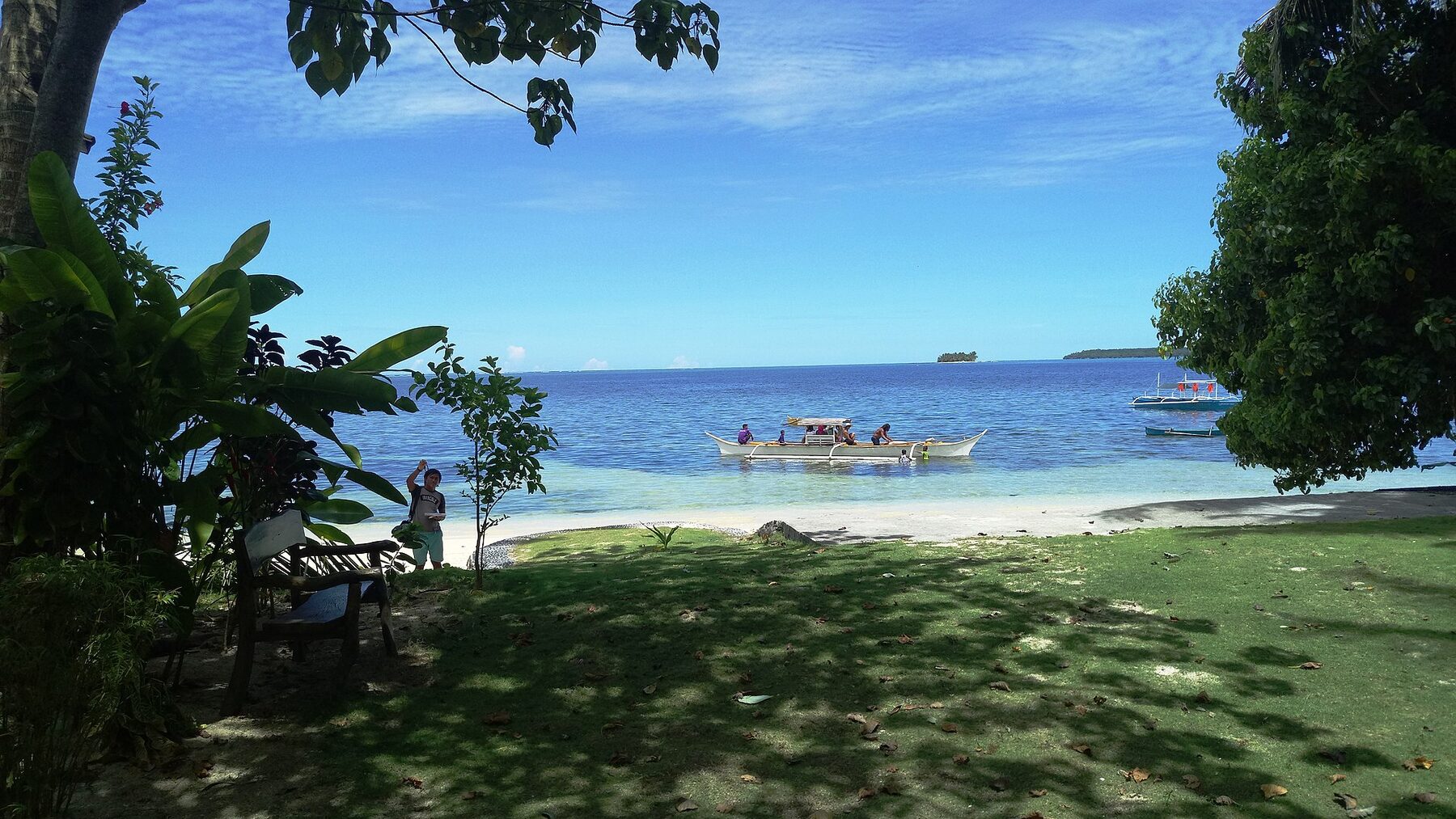
Tide Charts & Tapped Reefs
The ocean here is a living calendar. Most of the General Luna reefs want water on them — think mid to high and rising for Cloud 9 and Tuason — while the mellower peaks come into their own on a clean mid-tide morning.
Need a board swap or a boat out to the northern points? Swing by OK Surf and we will set you up before the winds shift.
The three things that decide your session
Tide. Siargao breaks over coral. On a low tide the reef is closer to your fins than you want it to be and the wave stands up and throws faster; on a pushing tide everything gets fatter, more forgiving, and further down the reef. The tide table matters more here than the swell height.
Swell direction and period. East to northeast is the money angle for the General Luna reefs. A long period — 12 seconds and up — means real groundswell with power behind it; eight seconds at the same height is windswell, which is weaker, messier and considerably easier. Two forecasts showing the same number can describe completely different days.
Wind. From roughly late May to October the southwest habagat blows offshore on this coast, which is why the season is the season. Outside that window the mornings are the play: get in before the sea breeze fills in, or go looking for a coast that is sheltered from whatever is blowing.
Breaks we love (and why)
- Cloud 9. The one on the posters. A short, hollow right-hand reef break with a genuine barrel section on the takeoff and a wall long enough to do something with. Paddle out only when you are comfortable threading steep reefs and comfortable in a crowd — this is the busiest lineup in the country. Dawn patrol on a rising mid-to-high tide is the island magic. Note that it closes to the public while the Philippines Pro is running, 31 October to 10 November.
- Jacking Horse. A hundred metres from Cloud 9 and a completely different proposition: friendly walls, a forgiving shoulder, and a bottom that will not take skin off you. The wave most visitors should be surfing most of the time, and a genuinely good longboard wave when it is clean. Works best on mid tide with light winds.
- Quicksilver / Cloud 9 lefts. The left off the same reef complex. Shorter, less consistent, and much less crowded than the right — worth a look when the main peak is a car park.
- Tuason Point. When the swell angle turns north this left-and-right wedge roars to life. Fast walls, a shallow inside section, and a wave that punishes hesitation. Best with size and water on it.
- Stimpy's & Rock Island. Boat-access lefts north of General Luna serving long, mechanical pointbreak lines. An hour or so each way by banca. Bring booties for the lava rock exit and go with someone who knows the entry.
- Pacifico. North coast, open-ocean energy, long ruler-edge rides and a fraction of the crowd. About ninety minutes on a bike from General Luna and a great option any time General Luna is stacked. Make a day of it.
- Salvacion. The inland-side option when the east coast is blown out. Nobody's dream wave, but it saves days.
- Daku and the sandbars. Not a surf spot in the usual sense — but on a small day with kids or a nervous partner, a soft-top on a sandbar beats a bad session on coral.
How we match you to the waves
| Level | Daily game plan | Board call |
|---|---|---|
| First timer | Jacking Horse with an instructor tracking sets | Soft-top 8'0" or a log |
| Progressing | Jacking Horse on size, Cloud 9 reforms, or Salvacion | Funboard 7'0" to 7'6" |
| Confident | Tuason, Cloud 9 outside the peak hours, Pacifico | Shortboard or step-up |
| Charger | Cloud 9 on a proper swell, Stimpy's by boat | High-performance shortboard |
The honest note on this table: almost everyone overestimates by one row. If you surf beach breaks at home twice a month, you are "progressing", not "confident", and the reef does not grade on effort.
Respect the lineup
- Priority is real. The surfer closest to the peak has the wave. Dropping in is not a beginner's mistake here, it is the mistake that gets you a very cold welcome for the rest of your trip.
- Locals first. People have surfed this reef their whole lives. Sit wide, wait, be visibly patient, and you will be given waves.
- Stay off the reef. When you fall, fall flat and shallow. Never dive head first, never put a hand down to break your fall on coral.
- Look after cuts immediately. Coral cuts get infected fast in the tropics. Clean them out properly the same day — do not wait to see how it goes.
- A quick salamat goes a long way. So does not shouting in the water.
Bonus: the flat-day plan
There will be flat days. When the forecast is dead we run a landlocked surf clinic — skate ramps and pump track, balance trainers, pop-up drills and video review on the shop screen — and we point people at the tidal pools, the lagoon and the north-coast road. You will come back sunburnt, and you will surf better when the swell fills back in.
Drop by and tell us what you ride at home. We will be honest about where you should be paddling out.
← Surf NewsLatest from the crew
The Field Is Set: Who Surfs Cloud 9 in November
Trestles closed the regular season. The top 22 men and top 14 women, plus wildcards, go through Portugal to Siargao. And no, there is no QS at Cloud 9 in October.
Two Cloud 9 Surfers, One Asian Games Bronze
Surfing's first Asian Games ended with Jayuard Alciso beating Toby Espejon in an all-Filipino bronze-medal match in Japan: the Philippines' first surfing medal at the Games.
Love, Siargao Comes to Free TV
Alden Richards and Nadine Lustre's island romance is now on GMA Prime weeknights. What the show is about, and what to expect if it makes you want to come.