
Siargao Island Guide
Dive into Siargao's surf culture, vibrant community, and island nightlife with the OK Surf insider guide.

Where Perfect Waves Meet Barefoot Living
Siargao is more than the Cloud 9 barrel; it is a rhythm of sunrise surf, coconut-fringed roads, and evenings that end with live music under the palms. This guide pulls together our favourite corners of the island so you can ride, eat, dance, and explore like a local.
Whether you are waxing up for dawn patrol or cruising the island on a motorbike, consider this your quick-start manual to Siargao life with OK Surf as your home base.
The island in one paragraph
Siargao is a teardrop-shaped island of about four hundred square kilometres at the north-eastern corner of Mindanao, facing the open Pacific with nothing in front of it. That exposure is why the surf is good. Roughly a hundred thousand people live here across nine municipalities; almost all visitors stay in General Luna, on the south-east coast, within a few minutes of Cloud 9. Inland it is coconut plantation, the west side is one of the largest mangrove forests in the country, and the north coast is quiet enough that you can ride for twenty minutes without passing a shop.
The island has been surfed by outsiders since the late 1980s, hosted its first international contest in 1996, and got its airport in the 2010s. In December 2021 Super Typhoon Odette went through as a Category 5 and took apart most of General Luna; what you see now has been rebuilt in the years since. In October 2026 it hosts the first World Surf League Championship Tour event ever held in the Philippines.
Surfing life on Siargao
From mellow beginner walls at Jacking Horse to the hollow right-handers of Cloud 9, the island serves every level — but not every level on the same day. Almost everything here breaks over coral, which means tide matters more than swell height, and it means falling badly has consequences it does not have at a beach break.
The season runs on the habagat, the southwest monsoon, which blows offshore on this coast from roughly late May into October. September through November is the most consistent stretch of the year, with the biggest swells arriving in November. March to May is the dry season: smaller, cleaner, warmer water, and by some distance the best window for an improving surfer to log real mileage.
Our instructors check the tide and wind charts every evening, so the question in the morning is not whether to surf but where. That is the single most useful thing a local shop does for you.

Getting here, and getting around
Fly into Sayak (IAO) in Del Carmen, with daily direct services from Cebu and Clark; there is no direct flight from Manila, so connect through Cebu. Cebu is the cheapest, most frequent and easiest to rebook. The aircraft are small and the runway is short, so flights are more weather-sensitive than you are used to — never book a same-day international connection on the way home.
Sayak to General Luna is about an hour: shared van around ₱300 a head, private van ₱2,000–₱2,500, tricycle somewhere in between. Once you are here, rent a motorbike. It is the only sensible way to reach the northern breaks, the lagoons and the inland spots — and it is also the most common way visitors get hurt, so wear the helmet, slow down on sand, and never ride home from the bars.
Bring cash. Card acceptance is patchy and the ATMs in General Luna run dry at busy times.
Island culture and community
Siargao's charm sits in the blend of warm Filipino hospitality and a global surf scene that has, mostly, integrated rather than displaced. It is worth remembering that this is a working island — fishing, farming, coconut — that happens to have a famous wave on one corner of it.
A few things that will make your trip better: learn salamat and use it, ask before photographing people, dress reasonably away from the beach, and remember that noise carries a long way at night in a village where people get up at four to go fishing.
Market Mornings
Wake early for the General Luna public market where fishermen unload tuna, local farmers sell sweet mangoes, and the island's best pan de coco comes straight from the oven. Go before eight; go with cash.
Coconut Cruises
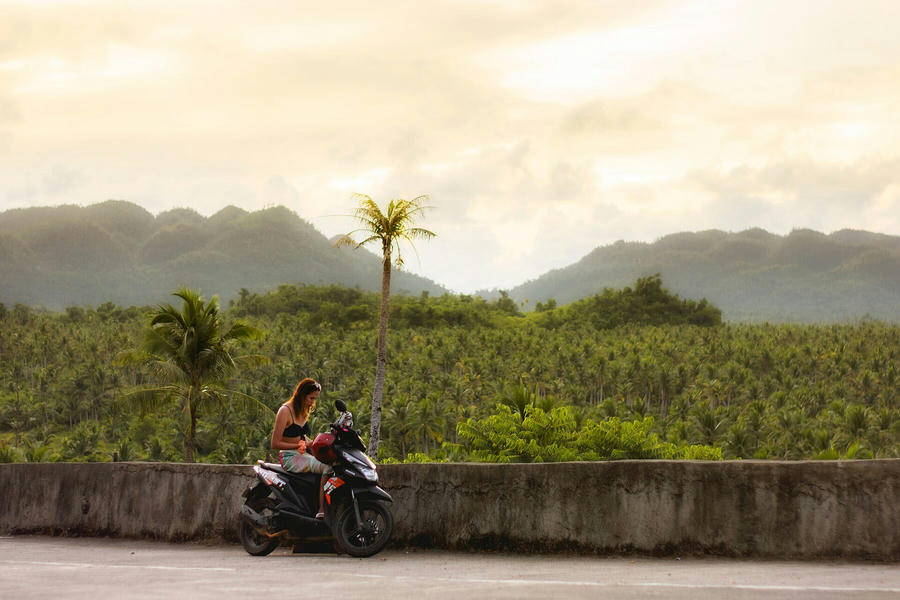
Rent a scooter and trace the coconut highway to the Maasin river swing, the Magpupungko rock pools — low tide only — or inland spots like Salvacion when the east side is windy.
Creative Nights
Art pop-ups, open-mic nights and film screenings appear and disappear with the season. Ask us what is running the week you are here and we will point you at it.
Give Something Back
Beach clean-ups run most weeks, and the island's waste infrastructure is genuinely stretched. Take your rubbish off the islets, refill rather than buy bottles, and use reef-safe sunblock.
Eat, sip and after-dark energy
Island days demand fuel, and Siargao delivers — but the restaurant and bar scene here turns over fast. Places open, move, change hands and close between one season and the next, so we have stopped publishing a list that would be out of date by the time you read it.
What does not change: the fresh seafood, the carinderias doing honest Filipino plates for a fraction of tourist prices, the smoothie bowls along the main strip, and a stretch of General Luna that goes quiet on a Tuesday and loud on a Saturday. Nor does the rhythm of a night here — sunset drinks, live music from mid-evening, and the late crowd drifting toward whichever beach has a sound system.
Ask us when you get here. We will tell you what is actually open, what is worth your money this month, and where the music is on tonight.
Prefer something low-key? Pick up fresh seafood from the fisherfolk in Tuason, bring it back to the shop, and grill with the crew while swapping stories about reef cuts and perfect rides.
When to come
- September–November: the most consistent surf of the year, biggest in November. Busiest, priciest, best for experienced surfers. The Philippines Pro takes over Cloud 9 from 31 October to 10 November 2026.
- December–February: amihan season. More variable, far fewer people, good early mornings, lower prices.
- March–May: dry season. Clean two-to-four foot waves, great water clarity, the best window for learning and improving.
- June–August: the season switching on. Inconsistent early, genuinely good by August, and the island is not yet full.
Dive deeper into Siargao
Surf Spots Playbook
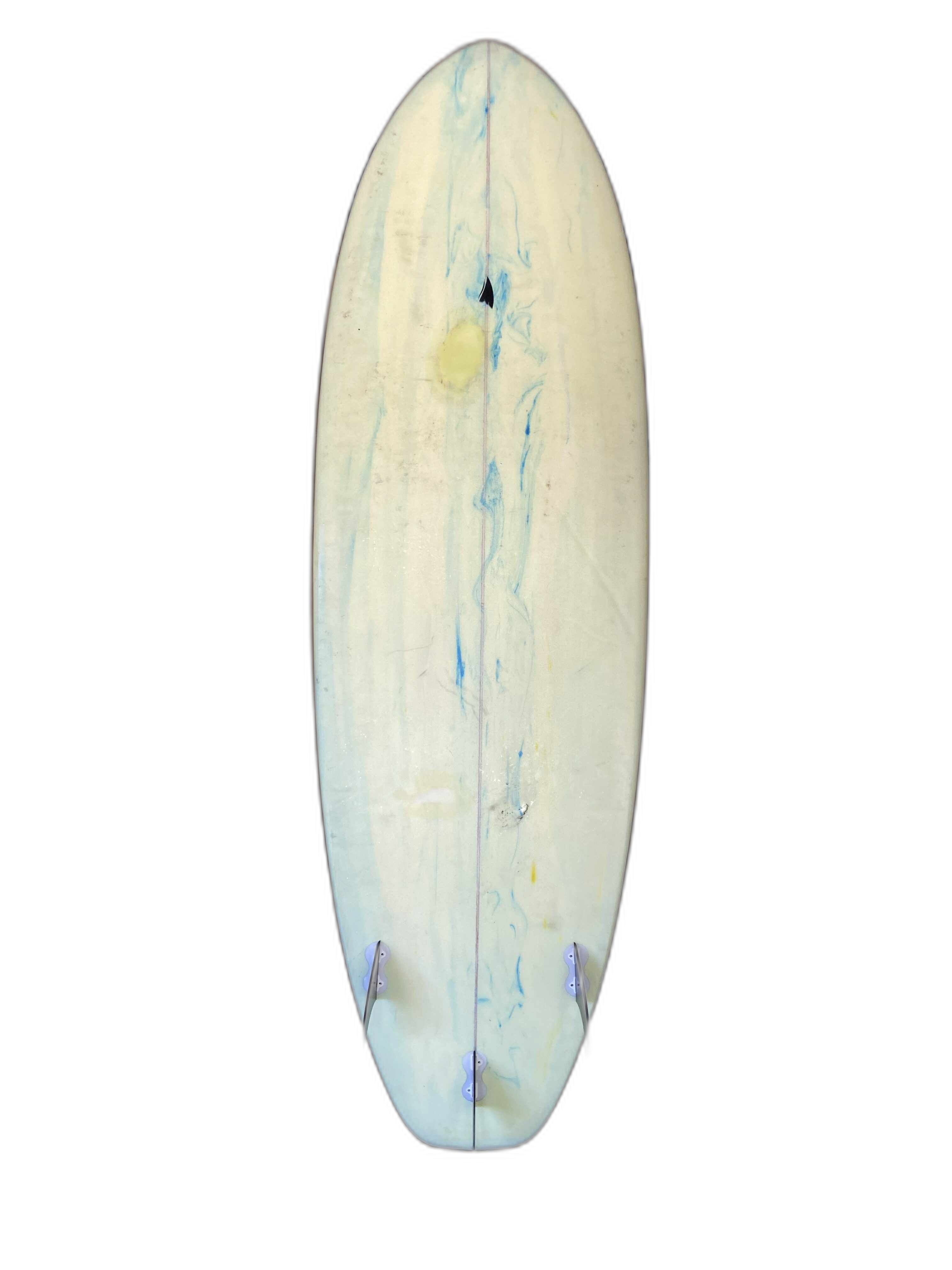
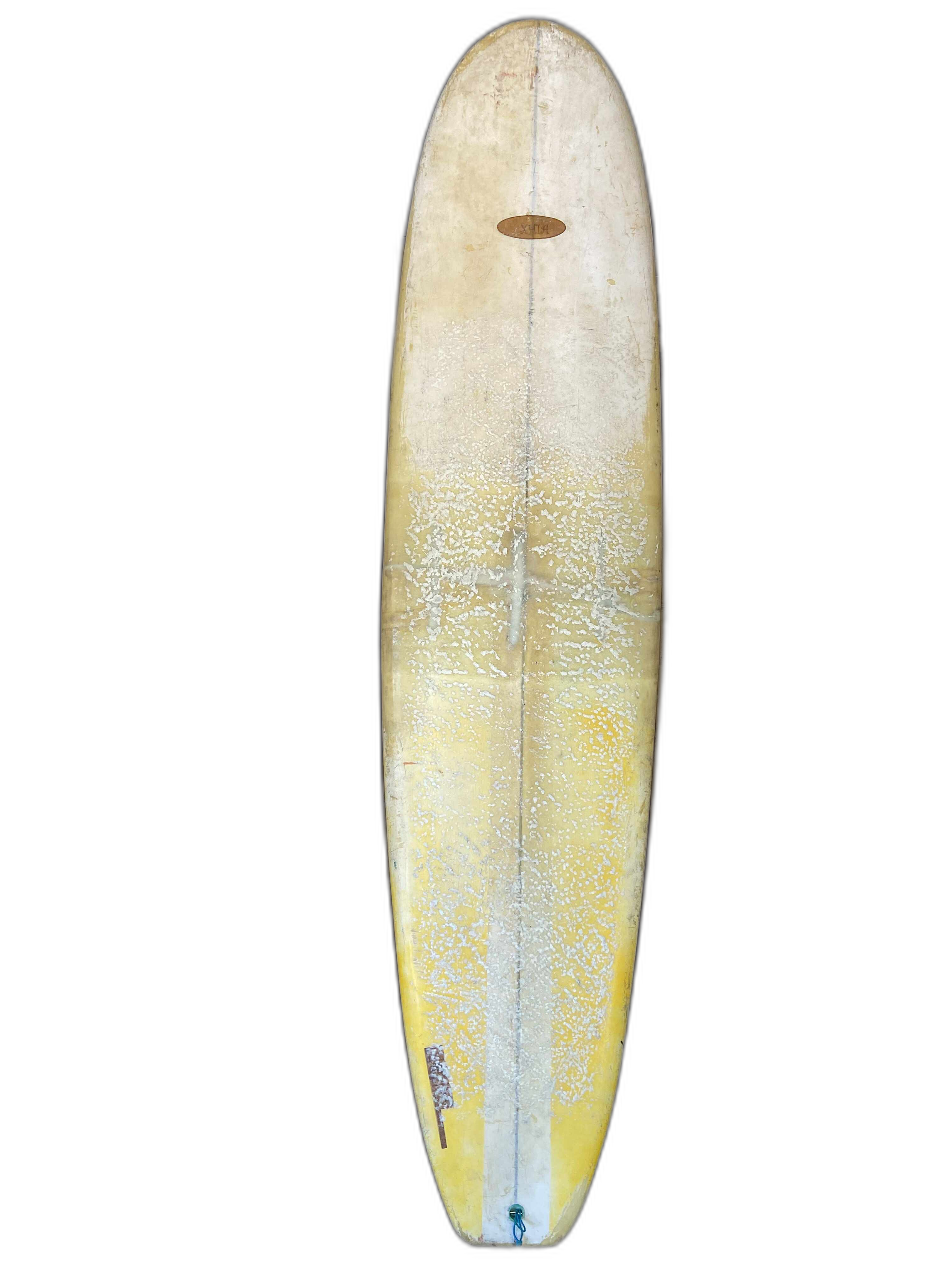
Tide, swell and reef intel, and which board to grab for every mood.
After-Dark Atlas
How the island's nights actually work — and why we stopped printing a bar list.
Island Hopping Routes
Choose your banca, read the tide, and get the sandbar to yourself.
Land Tour Missions
Jungle loops, creative crawls, and firefly nights beyond the shoreline.
Planning your trip
- Stay close to the action: General Luna keeps you minutes from Cloud 9, the skate park, and most cafés — and lets you walk home at night.
- Bring reef-safe essentials: sunblock, booties, a rash vest and a dry bag will make island life easier. The sun does more damage here than the water.
- Pack a small first aid kit: antiseptic and dressings for coral cuts, which get infected fast in the tropics if you leave them.
- Sort your insurance: and check it covers motorbikes with the licence you actually hold.
- Respect the locals: learn the lineup etiquette and share the stoke; the community here thrives on mutual respect and remembers who showed it.
Ready to plan your Siargao escape? Swing by OK Surf when you land, and we will set you up with boards, lessons, island tours, and insider recommendations so you can live the surfer's dream from day one.
← Surf NewsLatest from the crew
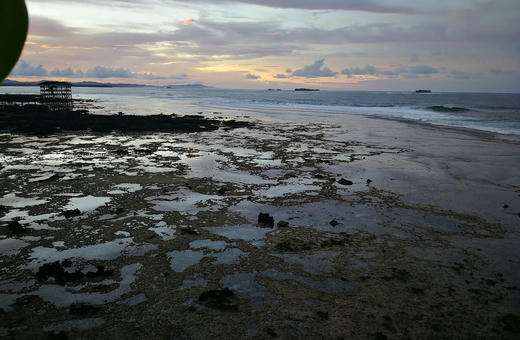
The Field Is Set: Who Surfs Cloud 9 in November
Trestles closed the regular season. The top 22 men and top 14 women, plus wildcards, go through Portugal to Siargao. And no, there is no QS at Cloud 9 in October.
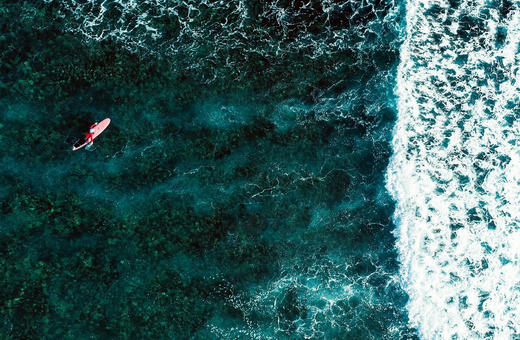
Two Cloud 9 Surfers, One Asian Games Bronze
Surfing's first Asian Games ended with Jayuard Alciso beating Toby Espejon in an all-Filipino bronze-medal match in Japan: the Philippines' first surfing medal at the Games.
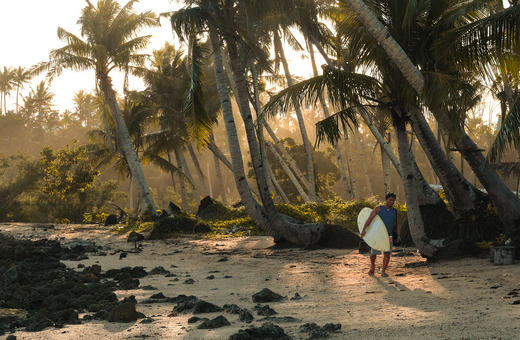
Love, Siargao Comes to Free TV
Alden Richards and Nadine Lustre's island romance is now on GMA Prime weeknights. What the show is about, and what to expect if it makes you want to come.